
Functional Sports Nutrition for High Performance: with focus on triathlon, mountainbike and road cycling


- Miguel Hidalgo, 25 years old, Brazilian professional triathlete. Image credits: World Triathlon.
World Triathlon Vice Champion 2025
- Gold medal in the World Triathlon Championship Series (Alghero 2025)
- 2nd place in the World Triathlon Championship Series (Karlovy Vary 2025)
- 3rd place in the World Triathlon Championship Series (Yokohama 2025)
- 3rd place in the World Triathlon Championship Series (French Riviera 2025)
- 1st place in the Ironman 70.3 (Brasília 2025)
- 10th place in the Men's Triathlon category at the Paris 2024 Olympic Games.
- 8th place in the Mixed Triathlon relay at the Paris 2024 Olympic Games.
- Gold medal at the 2023 Pan American Games.
It's an immense honor to be Miguel Hidalgo's nutritionist — the best professional triathlete Brazil has ever had!"
Thanks to his parents, Eduardo and Fabiana Hidalgo, Miguel was introduced to swimming at a very young age. Concerned with ensuring that his nutrition supported healthy growth and development, they brought him in for his first consultation — he was only 8 years old. Even then, I could already see the sparkle in his eyes and his competitive spirit.
As the years went by, his parents began to recognize a natural talent for triathlon. Miguel was just entering his teenage years when he started training to become a top-level triathlete. But long before that, he was already serious about his nutrition. Thanks to the dedication of his parents, everything he needed was provided from the start.
Miguel has always shown incredible determination and discipline when it comes to his diet, training, and recovery. Over the past 17 years as his nutritionist, he has faced many challenges, and it is truly rewarding to now see him competing at the highest level of the sport — and standing on the podium. In fact, I would go further and say: reaching the top of the podium.
Of course, he is not alone in this journey. Miguel is supported by a strong, multidisciplinary team of professionals, and I'm proud to be one of them. Our shared goal is to help him achieve the greatest titles in his career — including becoming Triathlon World Champion, and, of course, winning Brazil's first Olympic triathlon gold.
As a professional, it is a great honor for me to be part of Miguel's team and his inspiring story!
A Functional Sports Dietitian considers important:
• The adequacy of vitamins and minerals according to individual biochemical needs, and considering the rest, training and competition phases.
• Improved immune function and management of inflammation.
• Improving mitochondrial function, controlling oxidative stress, and prescribing foods/supplements with antioxidant potential.
• The introduction of an anti-inflammatory diet: the athlete may be subject to injuries, which can result in joint and muscle pain, and loss of muscle strength.
• Special care with gastrointestinal function: as it is affected by intense and prolonged training/competition, sleep, physical and mental stress, and travel to competitive events.
• Maximizes muscle work and promotes muscle hypertrophy/maintenance (when necessary).
• Helps restore glycogen stores quickly.
• Delays the onset of fatigue in intense and long-lasting training or competitions.
• Ensures hydration and electrolyte replacement for proper cellular metabolism.
• Maintains adequate weight (adequacy of body fat percentage; and lean mass).
• The timing, quantity and quality of food to be consumed before, during and after training and competitions are tremendously important and make all the difference in your performance!
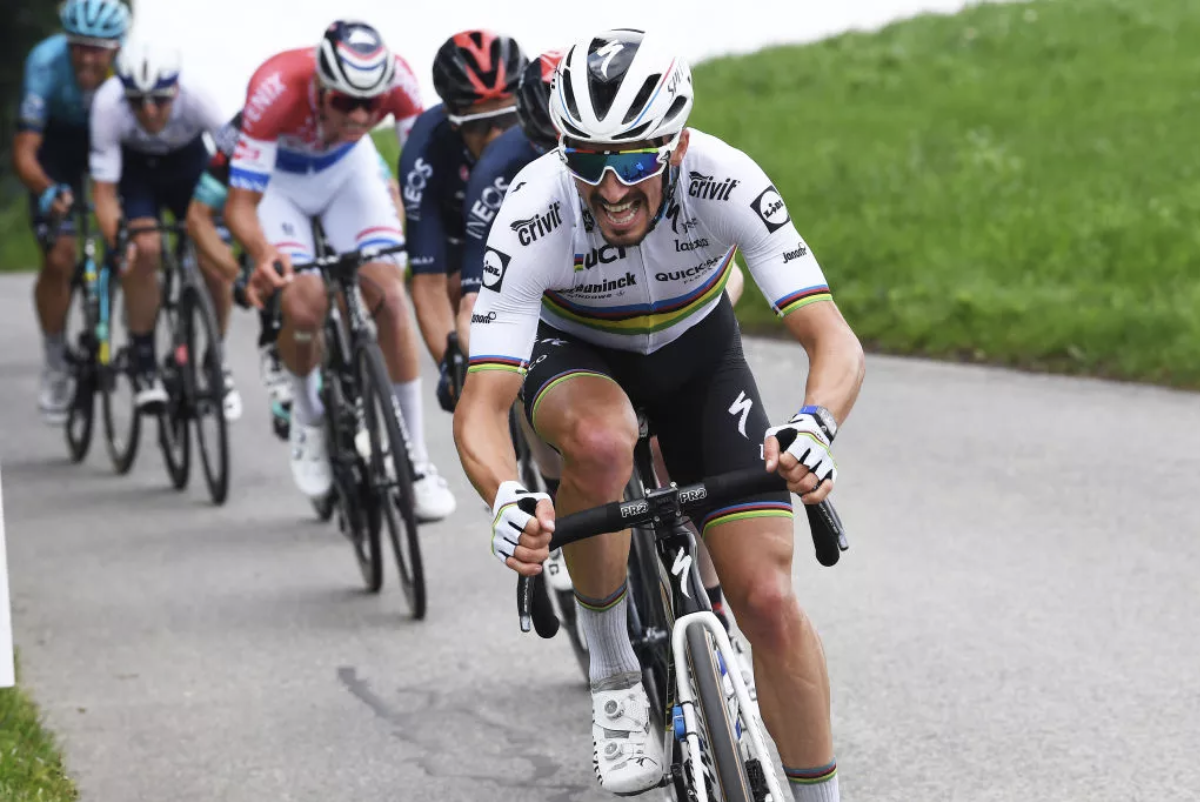
Focus on professional cycling road
The professional cycling athlete requires incredible power to withstand the suffering of a tough cycling race. It requires aerobic and anaerobic energy. Professional road cycling competitions can last from 1 to 6 hours, while multi-stage races are characterized by several race days consisting of mass start stages, individual and team time trials. Athletes must cover approximately 3,500 km on a circuit across the country, normally divided into 21 race days, with approximately 225 km covered in each stage. Energy expenditure can reach up to 7,000 kcal per day.
Some stages are relatively flat, others windingly mountainous. The difference between the first and second place can be for minutes (e.g., when the athlete manages to escape the peloton and cross the finish line with a certain advantage over the others); but this difference can also be for less than a second!
Functional Sports Nutrition will always be a great ally in winning the medal, being the key to success, because it considers the biochemical individuality of each one to develop a food strategy aiming to improve the metabolic efficiency.
The genetic test came to bring more assertiveness in the elaboration of the food plan and proposal of supplementation to the athletes. And once we prescribe the "right fuel", it makes the athlete to have a better use of their full potential and also have a faster recovery.


Iara Caetano, 23 years old. Brazilian professional mountainbiker: XCE, XCC, and XCO.
XCE (Eliminator) – The Challenge of Power and Skill
XCE – Cross-Country Eliminator is an intense mountain bike discipline, characterized by short, explosive, and action-packed races. Unlike traditional endurance races, XCE requires athletes to be ready for multiple sprints in succession, facing a course filled with natural and artificial obstacles, technical turns, and pure high-speed sections.
Race characteristics:
Short-duration races (usually between 2 to 3 minutes per heat).
Eliminator format: the last two riders of each heat are eliminated until only the top four remain. These finalists compete in the last heat to decide third, second, and first place.
Technical course with ramps, rocks, roots, and obstacles requiring precise bike handling.
High-intensity pace with rapid changes in effort, demanding explosive power and quick recovery.
Demands on the athlete:
Explosive power: every start is a maximum sprint; the body must be prepared for repeated high-intensity efforts.
Anaerobic endurance: the ability to sustain intense efforts and recover quickly between heats is essential.
Technical skills: mastering turns, jumps, and obstacles is crucial to maintain speed and safety.
Focus and concentration: quick decisions and precise handling can determine victory or elimination.
Mental resilience: the eliminator format adds constant pressure, requiring confidence and strategic thinking.
XCE is therefore a sport of pure power and skill, where every second counts and every detail of the course must be mastered. The combination of strength, technique, and race intelligence makes this one of the most exciting disciplines in competitive mountain biking.
Nutrition for peak XCE performance:
Nutrition is a critical tool for preparing the body to handle the extreme demands of XCE:
For explosive performance:
Fast-absorbing carbohydrates provide immediate energy for sprints.
Protein supports muscle repair and adaptation between heats.
Performance supplements, such as creatine and beta-alanine, can enhance power output and delay fatigue.
For rapid recovery:
Proteins and amino acids aid in muscle regeneration after intense efforts.
Antioxidants (like vitamin C and polyphenols from fruits) reduce oxidative stress from repeated high-intensity efforts.
Strategic hydration and electrolytes ensure sustained strength, focus, and endurance throughout the competition day.
For mental focus and concentration:
Brain-supporting nutrients such as omega-3 fatty acids, taurine, and tyrosine help maintain rapid decision-making and precision during the race.
XCE is more than just a race—it's a combination of explosive power, skill, and mental sharpness. Proper nutrition ensures athletes can meet the physical and cognitive demands of this high-intensity sport, giving them the edge in both training and competition.